


Solar Power Is Generating More Leads Than Ever Before
Energy is the backbone of modern life in America, powering everything from household lighting to the ability to charge mobile devices and electric vehicles. Electricity is so integral to daily functioning that it is classified as a utility rather than a luxury, essential for both personal life and professional activities. Without electricity, the modern lifestyle as we know it would cease to exist—homes, businesses, and industries would be brought to a standstill. Offices could no longer run computers, phones, and other vital technology, while healthcare facilities, reliant on electricity to power life-saving equipment and maintain critical functions, would face catastrophic consequences.
This widespread dependence on electricity explains why the methods of power generation in America are both varied and foundational to the nation’s industrial infrastructure. Over time, the country has evolved from its reliance on early coal-powered plants to tapping into nature’s resources such as rivers for hydroelectricity and the potential of nuclear reactors for large-scale energy production. Each step forward in energy generation has reflected the growing demand for power, as well as the technological advancements that make these systems more efficient.
In the present day, the options for electrical generation are more diverse than ever. While research into the potential of nuclear fusion remains ongoing, renewable sources like wind and solar power have grown significantly in both usage and technological sophistication. As the world focuses on cleaner and more sustainable energy solutions, these alternative sources are rapidly becoming integral parts of the American energy landscape, demonstrating how innovation and nature combine to meet the nation’s energy needs.
Coming Into Its Own
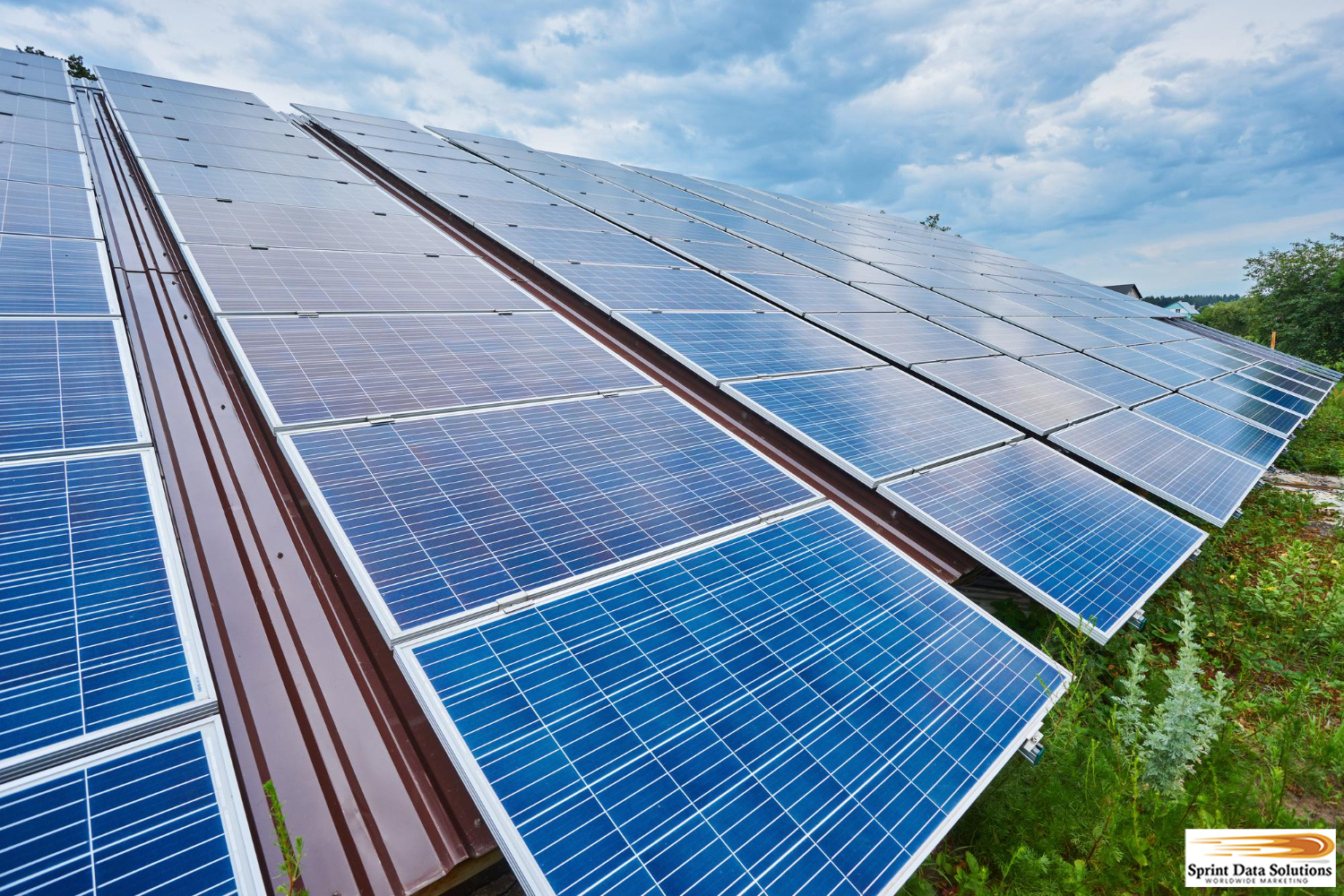
Solar power has been a viable energy source for decades, although its evolution into a practical solution for large-scale electricity generation is a relatively recent development. In the early days, solar cells were primarily used to generate small amounts of electricity for basic devices like calculators. While solar power could be harnessed in small quantities, producing enough energy to meet larger demands was a much more challenging endeavor. The first solar farms, designed to generate substantial power, required vast open spaces, often in remote desert areas like those in California, where expansive arrays of solar panels and sophisticated systems like motorized mirrors were used to concentrate sunlight onto the panels to enhance efficiency.
However, advances in solar technology have drastically improved the efficiency of solar panels, making it far less resource-intensive to produce usable amounts of electricity. Today’s solar cells are constructed with more efficient materials and designs that allow for higher energy conversion rates, even with smaller panels. As a result, it’s now possible to cover the roof of a typical home with solar panels that can not only meet all of its energy needs but also generate a surplus. This excess energy can be fed back into the grid, where it may result in financial incentives for homeowners, such as subsidies or even small income, depending on the arrangement with the local utility. This shift in solar technology is making clean, renewable energy more accessible and efficient for everyday use, enabling a sustainable future with less reliance on traditional energy sources.
As a means of generating “free” electricity once installed, solar power has come a long way, and there is more interest in it for several reasons.
A Stable Alternative
Solar power stands out as one of the most reliable and stable forms of energy generation, especially when compared to other renewable energy systems. While wind energy can be unpredictable, depending on factors like wind speed and consistency, solar panels offer greater reliability. Even on cloudy or rainy days, solar panels continue to generate power, albeit at reduced efficiency, making them more dependable for consistent energy production.
In addition to their physical reliability, solar power systems also provide significant economic benefits, particularly in terms of energy cost stability. Properties equipped with solar panels can drastically reduce their dependence on the traditional power grid. In some cases, they can even become self-sustaining, producing more electricity than they need and contributing surplus power back to the grid. This ability to generate clean energy means that solar-powered properties are less vulnerable to price fluctuations in oil and natural gas. These resources are often subject to external factors, such as geopolitical tensions, tariffs, or global market shifts, which can lead to volatile pricing. By using solar energy, property owners can escape the uncertainty associated with traditional energy costs, offering them long-term financial stability and peace of mind in an unpredictable market. This economic reliability is a significant draw for homeowners and businesses alike, as the opportunity to mitigate financial risk is always highly valued.
One of the most significant advantages of solar energy is its ability to provide independence from the local power grid. Unlike traditional electricity sources, solar panels generate power directly from the sun, meaning that even during a power outage, a solar-powered home or business can continue to function. Essential appliances like lights, air conditioning, and computers can keep running, ensuring that daily operations are not disrupted when the surrounding area loses power. This independence is especially valuable during extended blackouts, offering a reliable and sustainable energy solution without relying on external fuel sources like those needed for portable generators.
Solar systems offer a level of energy security that other backup power options cannot match. While portable generators require fuel and regular maintenance to operate, solar panels work efficiently with minimal ongoing costs, providing long-term access to clean energy. As a result, property owners can enjoy uninterrupted power regardless of what the local grid is facing. Whether it’s a brief outage or an extended disruption, solar energy ensures that you’re always connected to a steady source of power, allowing you to remain productive and comfortable no matter what.
It’s Not Just Homes
Solar panels are becoming an increasingly common feature on private residences, but the benefits extend far beyond homes. Businesses, too, can significantly benefit from transitioning to solar energy, which provides a stable, independent source of power that can yield substantial long-term financial advantages. Although the initial investment may seem significant, the potential savings and returns on investment over time make solar energy a highly attractive option for many organizations. From reducing energy bills to increasing energy efficiency, businesses can enjoy a variety of benefits once they make the switch to solar power.
Several types of businesses stand to gain the most from adopting solar energy, including manufacturing facilities, commercial office buildings, and retail establishments. These businesses typically have high energy demands and can reduce operational costs significantly by relying on solar power. Additionally, solar panels can increase the overall value of a business’s property, making them a smart investment for both current operations and future expansion. The adoption of solar energy is also a step toward sustainability, improving a company’s image and helping it meet environmental goals, all while contributing to a cleaner, more resilient energy grid.
Manufacturing
Manufacturing businesses are uniquely positioned to benefit from solar power for two main reasons. First, manufacturing facilities typically have vast roof spaces, which offer a perfect opportunity to install a significant number of solar panels. These expansive rooftops are often underutilized, making them an ideal place to harness solar energy. Second, manufacturing operations consume large amounts of electricity, which presents an opportunity to generate substantial energy savings.
Although the initial cost of installing solar panels may seem high, the return on investment (ROI) quickly becomes evident. By reducing reliance on the local power grid, manufacturing plants can generate their own electricity, significantly lowering their energy costs. The immediate savings from solar power not only contribute to cost stabilization but also help businesses improve their financial performance. As energy costs rise, switching to solar power offers a reliable and sustainable solution that can enhance overall operational efficiency, providing long-term benefits to the bottom line.
Livestock
Farming and agriculture continue to be vital components of the American economy, with livestock farming playing a significant role in this sector. In many cases, maintaining a reliable and consistent power supply is critical, particularly when it comes to ensuring the health and safety of livestock. During the winter months, for example, numerous facilities are required to provide temperature-controlled environments for animals, such as chickens. Maintaining the right temperature can be costly, especially when it comes to heating large spaces. However, just as in other industries, renewable energy sources like solar power can help mitigate these costs.
For larger livestock operations, many facilities feature expansive roofs that remain unused and could be put to better use. Installing solar panels on these roofs can serve as an effective strategy to reduce energy costs, especially in spaces where maintaining a stable temperature is essential, such as in egg incubation areas. By utilizing the roof space for solar energy generation, farmers can dramatically reduce their heating bills, leading to significant cost savings over time. These savings can quickly pay for the installation of solar panels, making it a smart and sustainable investment that provides long-term financial benefits while contributing to a greener future for the agricultural industry.
Commercial
Solar power isn’t just a solution for large industrial businesses—many sectors, including the white-collar industry, can also realize significant savings by switching to solar energy. Take office buildings, for example, which require substantial energy for day-to-day operations. From computers and photocopiers to telephones and air conditioning, the energy demand of an office is constant and significant. While these devices may not require the heavy power usage of industrial machinery, their cumulative energy consumption still represents a consistent drain on electricity, especially during peak hours.
By installing more solar panels on office rooftops or across business grounds, companies can make a major impact on their energy bills. The more solar energy captured, the greater the reduction in overall electricity costs. For larger businesses or those with significant energy needs, a well-implemented solar system can even provide enough energy to operate entirely off the grid, eliminating reliance on traditional energy sources. This not only leads to substantial long-term savings but also enhances a company’s sustainability efforts by reducing its carbon footprint and dependence on fossil fuels. As solar technology becomes more accessible, it’s increasingly a viable and cost-effective energy solution for businesses across various sectors.
Retail
Retail businesses often face significant energy costs, especially in large-scale operations like shopping centers, big-box retailers, or commercial properties. These establishments typically consume substantial amounts of electricity for a variety of functions, such as lighting, security systems (like surveillance cameras), and anti-theft devices. The large physical spaces these businesses occupy are often equipped with expansive roofs that, while serving their primary purpose of protecting the building, remain largely unused.
One of the most efficient ways to capitalize on this unused space is by installing solar panels on rooftops or other underutilized areas of the property. By harnessing the power of the sun, these businesses can substantially reduce their electricity consumption. In many cases, the energy generated from solar power can be a more reliable and consistent source, providing businesses with predictable energy costs. This transition offers substantial long-term financial benefits, as it can significantly lower monthly utility bills or, in some cases, enable businesses to become fully energy self-sufficient. By eliminating energy costs as an operational expense, solar energy systems add an ongoing stream of savings, improving the bottom line and contributing to enhanced financial performance over time.
Residential
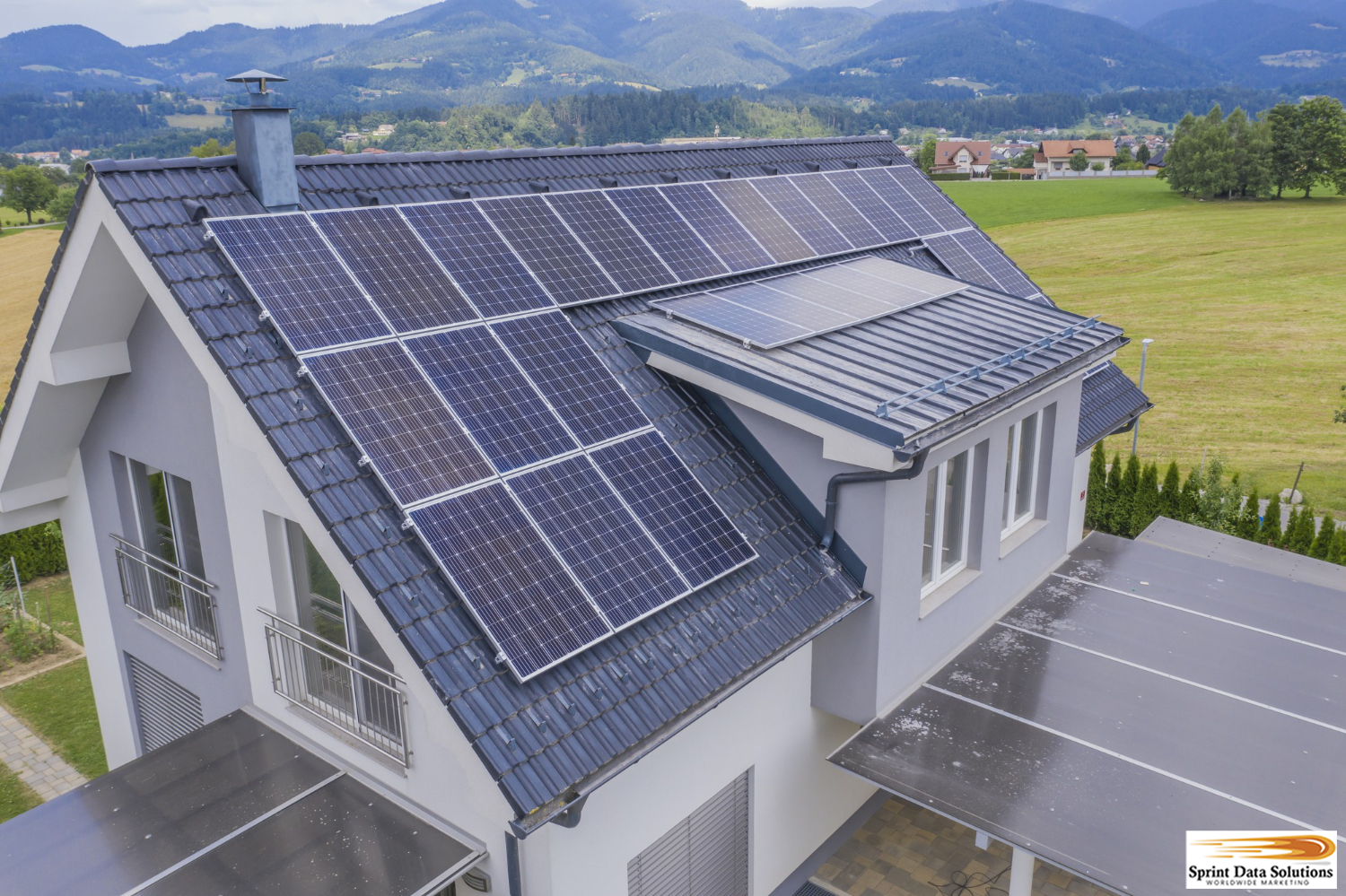
Solar power generation has made significant strides in the residential sector, offering homeowners a practical solution to the rising and unpredictable costs of electricity. With utility bills fluctuating greatly based on geographic location and varying pricing structures by energy providers, many homeowners face a constant challenge in managing their electricity expenses. This uncertainty can make it difficult to predict energy costs and determine how much of the charge is necessary versus excessive.
By integrating solar power systems, homeowners can take control of their energy consumption, eliminating the need to constantly monitor usage during peak hours when rates are higher. With the ability to generate electricity from solar panels during the day, homeowners can harness this renewable energy to power their homes. For nighttime use, battery storage systems can store excess energy produced during the day, allowing homeowners to continue using electricity after the sun sets, all while reducing reliance on traditional power grids. This not only helps reduce energy bills but also enables greater energy independence, providing a more sustainable and predictable energy solution for households.
Rural Residents
Solar power generation offers significant advantages for individuals living in rural or remote areas. While access to a utility power grid may be available, power outages can often lead to extended periods without electricity, particularly in less densely populated areas. Urban locations typically benefit from quicker restoration times due to their proximity and higher population density, which makes it easier to pinpoint and resolve issues. In contrast, rural communities may face longer delays when outages occur, especially if the affected area is vast or the cause of the outage is difficult to identify.
In these circumstances, solar panel systems can provide a reliable alternative to grid power, ensuring continuous access to electricity regardless of local grid issues. For homes situated in regions prone to frequent power outages due to natural disasters, storms, fires, or other recurring environmental challenges, solar energy offers a dependable solution. With solar power, households can maintain energy independence, keeping essential devices running and ensuring comfort when the rest of the community may be without power. By harnessing the sun’s energy, solar panels offer a sustainable and resilient way to navigate power disruptions, giving homeowners peace of mind and autonomy over their energy needs.
And it’s here, in reaching out to these customers and businesses, that Sprint Data Solutions Worldwide Marketing can make a difference.
Who Is Sprint Data Solutions Worldwide Marketing?
Sprint Data Solutions Worldwide Marketing is a proud American-owned and operated business, founded in Las Vegas, Nevada, by a disabled veteran. From its humble beginnings, the company has grown steadily, driven by a commitment to providing top-tier service and maintaining a strong focus on customer satisfaction. This dedication has enabled Sprint Data Solutions to build a team with over 50 years of combined expertise in the marketing industry.
Initially, Sprint Data Solutions Worldwide Marketing concentrated on direct mail services, which allowed the company to hone its expertise in database acquisition, management, and analytics. As the digital marketing landscape began to take shape, the company leveraged its deep understanding of data to transition seamlessly into the digital space. This early adoption of digital marketing methods gave Sprint Data Solutions a competitive edge, allowing both the company and its clients to achieve remarkable success.
As the company’s reputation for excellence grew, so did its reach. What began as a local operation in Nevada expanded into a nationwide service provider, including coverage in Alaska and Hawaii. The company’s global ambitions soon followed, enabling clients to access markets in Canada, Mexico, and even across the Atlantic to European Union countries like France. Today, Sprint Data Solutions Worldwide Marketing offers its clients a broad spectrum of services, helping them reach diverse international markets with tailored marketing strategies.

How We Can Help
At Sprint Data Solutions Worldwide Marketing, we’ve dedicated years to building an expansive and highly accurate collection of databases filled with valuable contact information. In addition to our proprietary data, we maintain strong partnerships with respected and reputable database providers, significantly expanding the reach of our contact lists. All of our data collection is conducted through ethical and legally compliant methods, ensuring that every contact has opted in through legitimate channels. These channels include signing up for newsletters, creating accounts on websites, subscribing to services, completing surveys, and donating business cards for data usage.
Our databases are never static; they are constantly evolving and regularly updated to ensure they remain current and effective. We understand that data changes over time, and we make it a priority to revisit and verify all information. For example, in student databases, we account for graduations, while employee lists are updated to reflect job changes or company moves. Additionally, we ensure that data concerning seniors is regularly checked to reflect life changes. This ongoing attention to detail guarantees that the contact information we provide is not only accurate but also relevant to our clients’ campaigns. By keeping these databases up-to-date, we prevent businesses from reaching out to outdated or invalid contacts, ensuring maximum engagement and effectiveness for every marketing effort.
While having access to a large database is an essential element of a successful marketing campaign, it is not the only factor that drives success. Sprint Data Solutions Worldwide Marketing goes beyond simply providing lists of names, addresses, and geographic data. By leveraging cutting-edge artificial intelligence and machine learning algorithms, the company enhances its data analytics capabilities, ensuring that the contact information provided is tailored specifically to the needs of each client.
These advanced AI systems allow Sprint Data Solutions to filter and organize data more effectively, ensuring that only the most relevant contacts are included in the marketing lists. This means clients are not receiving a random assortment of names, but rather a carefully curated selection of individuals who are more likely to engage with the marketing message.
The company’s data can be segmented based on geographic requirements to align with any campaign strategy. Whether clients are looking to reach the broadest audience possible across the nation or are aiming for more localized efforts, the flexibility is there. For example, a campaign can be scaled down to focus solely on specific regions, such as New England, or even narrowed further to target specific states like Massachusetts, individual cities, or even distinct neighborhoods like Beacon Hill in Boston.
In addition to geographic targeting, Sprint Data Solutions also provides highly detailed demographic segmentation. Clients can sort data by ethnicity to tailor campaigns to specific cultural groups, such as Latin Americans, or by faith-based affiliations, for example, a campaign targeting Catholic communities. Economic class data can be used to focus on affluent individuals who may be more receptive to luxury products and services. The database also includes filters for age, health conditions like diabetes, and other personal attributes, offering clients the ability to reach individuals who are most likely to be interested in their specific products or services, resulting in increased engagement and response rates.
Database Formats & More
Sprint Data Solutions Worldwide Marketing offers versatile and comprehensive data solutions that cater to every stage of your marketing campaign. Whether you need physical mailing addresses for direct mail, email addresses for digital marketing, or phone numbers for telemarketing outreach, we can provide the precise contact details your campaign requires. For B2B campaigns, we specialize in delivering contact information for key decision-makers within companies, ensuring you reach the right individuals. Additionally, if your campaign calls for SMS/text messaging, we can supply cellular phone numbers to enable effective mobile marketing.
Our specialized services go beyond providing contact lists. We offer complete turnkey direct mail solutions for businesses looking to launch a direct mail campaign but lacking the experience or resources to do so. With our all-inclusive service, clients receive guidance every step of the way, from conceptualization and design to printing, production, and distribution. By handling every aspect of the campaign under one roof, we eliminate the need for clients to manage multiple vendors, streamlining the process and ensuring consistency across the campaign.
For businesses in the solar energy industry or those offering related products and services, Sprint Data Solutions Worldwide Marketing provides tailored leads that can drive meaningful engagement and results. Our services are designed to help you target the right audience, maximize your marketing efforts, and achieve your business goals. Contact us today to get started with the leads that will make a real difference.