

The Best Way To Get The Most Donations Is To Find The Right Donors
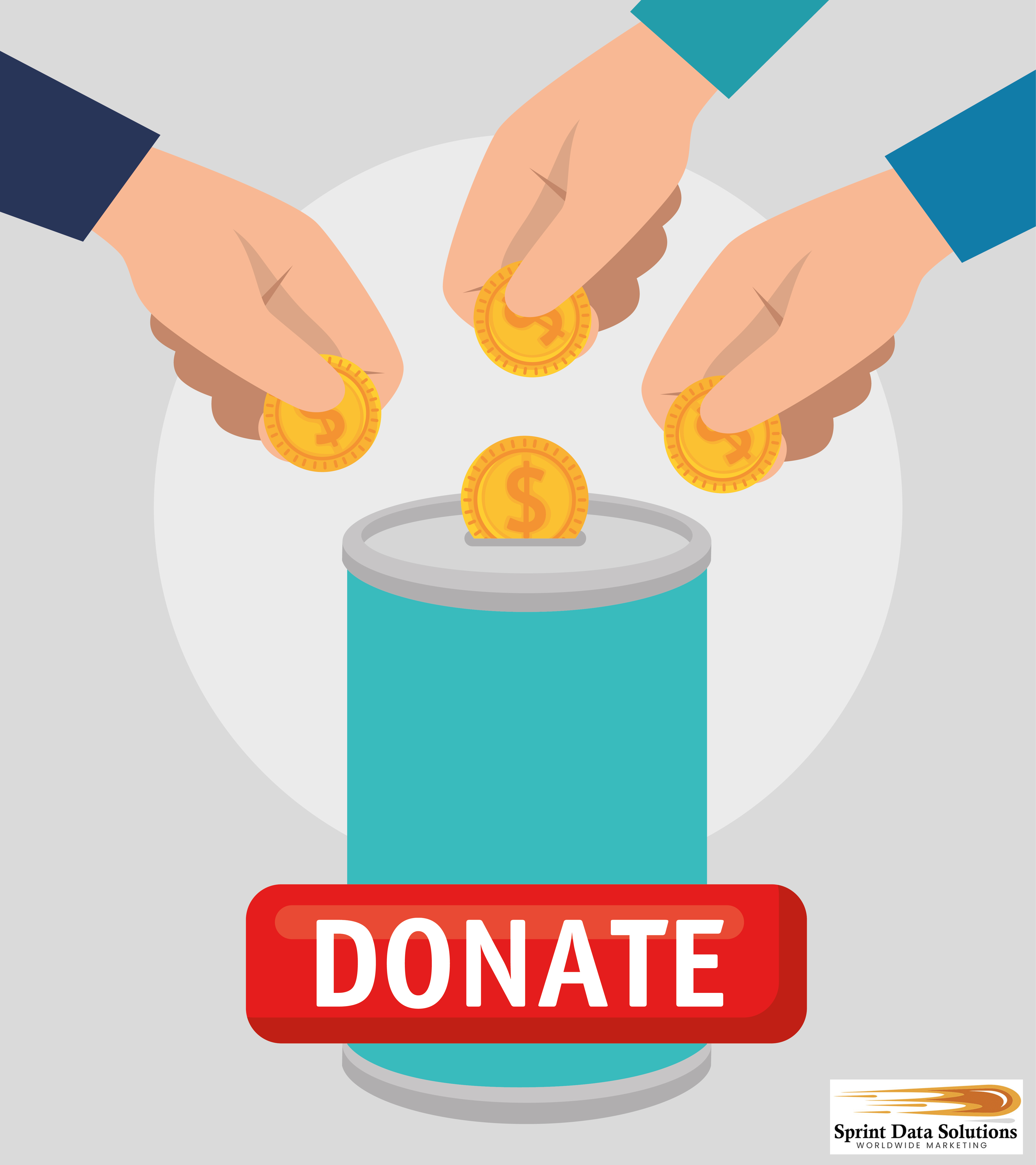
One of the great truisms of the world is that not every organized effort can be profitable. In some cases, profitability may be impossible because the goal is not to make money but to help others. Charitable efforts fall into this category, with numerous large, organized groups getting together and investing in money and other resources for the single goal of the betterment of some condition, whether that is to provide care for animals with no owner or help children in lower-income situations to get better access to the education that can help them forge a better future for themselves.
Unfortunately, the harsh reality of our current world is that while such ventures are noble goals, and extremely worthy causes to pursue, they still require money to function in some capacity. If they are not making money from profits as traditional businesses do, then that money must come from somewhere else, and this is where donations become all-important.
A Spectrum Of Worthy Causes
If there’s one thing that charities can offer to the American public, it’s a variety of causes to donate to. Just about every aspect of American life can benefit from a little extra financial help. Even when people only donate a small amount, should enough people contribute, it can make a big difference. And, of course, some businesses and wealthy individuals are willing to take some of their considerable revenues and donate them to various causes as well. Sprint Data Solutions Worldwide Marketing has a comprehensive list of donors for various causes, including:
Donor Mailing Lists
If there’s an interest in just seeing who has donated to any cause, regardless of subject matter, this is a vast, sprawling list of individuals at every income level and businesses as well. America has donors all over the country, so it’s just a matter of narrowing down the listing by metrics such as geographic needs, demographic, or both.
Food Bank Donors
While every American hopes to have a stable income that is enough to put food on the table—especially if there’s a family involved—it doesn’t always work out that way. Lay offs, disasters, and severe personal circumstances can make getting daily meals a challenge or even impossible.
Many people feel the need to help those struggling with even the basic need for food. They are willing to donate either money or food products to help out those for whom the next meal is not something they can take for granted. Food banks exist in all major urban centers, so this is a matter of people picking their preferred destination.
Homeless Shelter Donors
Another situation that has become a pressing concern, especially in major urban centers, is the homeless. At certain times of the year, such as winter, the homeless are actively threatened with illness or even loss of life due to prolonged exposure to the elements.
People become homeless for several reasons, including situations such as running away from an abusive situation at home, a mental illness that has gone unaddressed and financial difficulties that make it impossible to keep up with the financial obligations of maintaining a residence. Homeless situations can happen in every city in America, and shelters are in place to help people find temporary relief or even transition back into a position where they can find a home of their own. Many people are willing to donate money, or even their own time as volunteers, to help with this situation.
Animal Abuse Donors
Many Americans love animals and have pets, while most have no active hostility against animals, even if they don’t consider themselves animal lovers. This is why the response is incredibly strong for many regarding donations to help out facilities that deal with abused animals.
For any American who owns a dog, cat, or other beloved pet, it is often just as shocking and unacceptable to see animal abuse as it is to know the situation with children, spouses, or other partners. This is why many Americans are willing to donate to these causes or even volunteer their own time and efforts to help in this situation when they are aware of it.

Women’s Shelter Donors
While America continues to pursue the dream of equality, that doesn’t mean it’s been achieved, and tragically, especially with statistics for abuse, women still tend to suffer the most. For many, the only option aside from enduring abuse is getting away from it, but once they do, they often have few options for places to go.
For people who don’t want to see abused women end up in homeless situations, women’s shelters have been created specifically to help them cope with the immediate crisis. These shelters can play a critical role in providing women with a roof over their heads and, perhaps more importantly, in providing a safe haven where an abusive partner can’t track them down to resume the abuse.
Emergency Disaster Donors
Anyone who has paid attention to the news knows that different parts of the country can be victimized by major disasters that affect Americans in those areas on a huge scale. Whether it is the forest fires burning in California, or another hurricane touching down on Florida shores, disasters can occur on a scale that leads to mass devastation and people escaping with their lives and little else.
In these crisis moments, people find themselves homeless not because they are lazy or drug addicts but because a natural disaster has taken everything away from them through no fault of their own. The most challenging aspect of a natural disaster is that this happens on a mass scale to many people all at once, making the emergency response to help them daunting.
During these crisis periods, it’s normal for Americans not affected by these disasters to want to help those who are victims. Many are willing to donate money, food, or other survival items to these causes. Some are even willing to volunteer their time and effort.
Corporate Donors
It’s not just private individuals that donate to causes, and in the same way that wealthy individuals can receive tax benefits from donations, the same is true for corporate entities. So when looking for larger, more significant contributions, corporations can be just as viable to approach as wealthy private donors.
Moreover, corporate donations may be more useful in ways other than straight financial donations. Depending on the product or service provided, some corporate contributions may be more valuable for what the business itself offers. For example, if a hurricane leaves people without a means to eat, a food and beverage business could donate money or food, which would be put to immediate good use and is a much bigger priority.
Medical Donors
Medical treatment is another area where Americans need help under various circumstances. Some people may need life-saving medical treatments that they can’t afford. Others may require a surgical procedure that can dramatically improve their life—such as regaining the usage of a currently damaged limb—but have money issues. And, of course, some may be blindsided by a disaster and find themselves or family members needing serious medical attention without any means of affording it.
Helping people to regain their health and their lives is something many Americans are willing to donate to. However, this is a huge field of donation all by itself. Some may prefer to donate to organizations that are actively working to fight diseases better, such as those groups working on treatments and cures for cancer or Alzheimer’s. Others may prefer to donate directly to specific causes, such as individuals in need of medical attention. A wealth of different issues can be addressed for medical donors.
Special Issues Donors
There are also sometimes specific issues that are a matter of timeliness or current controversy, or sometimes causes that aren’t related to emergency situations. For example, children trapped somewhere may require special equipment to save them, and the funding needed for equipment and to keep crews fed while the operation is underway required donations.
In other cases, this may be for longstanding causes that always need extra funding. Civil rights, for example, need financing whenever a controversy is connected to sexual, racial, or religious prejudice and denial of rights. Then are other circumstances, such as a donation for pro-life or pro-choice causes, for organizations in favor of or against gun control, and other issues.
Veteran Donors
Many Americans rightfully feel respect for the military veterans who have risked their lives in the country’s defense. Unfortunately, despite making that sacrifice, America’s veterans aren’t always treated the way they deserve after they’ve served. In some cases, the trauma they have survived makes readjusting to civilian life difficult. Even though they may need financial, psychological, or spiritual help to overcome their trauma, they don’t get it.
This can, tragically, sometimes lead the system to give up on people that risked their lives to preserve that same system. Fortunately, some Americans understand that veterans need help and are willing to donate to ensure those who worked hard to protect their freedoms get the assistance they need to rejoin American society.
COVID-19 Donors
The rise of COVID-19 over the last few years has created a whole new crisis and forced many businesses to change how they operate as life has changed. This has meant that some non-disabled people have suffered as a result of changes due to COVID-19. But even as the worst of the pandemic is over, it has also meant over a million Americans have died from COVID-19. More worryingly, many survivors of the illness have been debilitated by the virus to the point that they can no longer resume their previously healthy lives.
“Long COVID,” for example, is one after-effect where breathing difficulties, a permanent state of fatigue or exhaustion, or even “brain fog” that prevents focus and clear thinking all become normal parts of life. While these are not life-threatening, they may make it impossible to return to work, and thus this illness has left behind someone who can no longer be a productive member of society and needs help to remain afloat.
Paralysis Donors
Some Americans lose the full mobility that most people take for granted, whether through a congenital condition of birth, an illness later in life, or an accident. This may come in the form of partial paralysis, where only some portions of a limb lose responsiveness, such as someone losing full use of all fingers and toes. More seriously, this can result in total paralysis.
The most serious cases are paraplegia, where someone no longer has use of their legs and uses a wheelchair. The even more severe quadriplegia paralysis goes up to the neck, and a victim is confined to a bed. People who are paralyzed have more needs that require assistance to survive, and in some cases, the funds they have access to will not cover the numerous costs their survival requires. Donations to help out paralyzed people can sometimes mean the difference between being able to eat and live a life or eventually running out of funds and living on the street.
Special Olympics Donors
The traditional Olympics are a celebration of athletics for people who push themselves beyond normal human limitations and excel in ways the rest of us can’t. The Special Olympics serve a similar function, although in this case, the transcending of limits comes new, more severe limitations that most of us don’t have to deal with.
Whether it is competitions involving the mentally disabled or basketball matches for wheelchair users, the Special Olympics is an inspiring show of people overcoming limitations most of us would be defeated by. However, unlike the regular Olympics, the Special Olympics receives a different amount of media attention or funding. This means that donations are still important for this event and many people throughout America have an interest in letting the disabled shine in ways ordinary life doesn’t let them.
Children’s Lunch Program Donors
It has been repeatedly stressed that children are the future of any country, and they need a quality education. However, in addition to education, nutrition is also important. It’s difficult to do your best in school if you’re hungry and only thinking about food, but some less financially fortunate families have to make sacrifices—like daily meals—to put money into other priorities, such as rent.
Children’s lunch programs in schools and other organizations allow children that may need additional support to enjoy a nutritious lunch to help them get through the day. As expected, this kind of venture is intensive for needing to purchase ingredients for food preparation or provide funding to services that can feed children, so donations can be an important source for augmenting these efforts.
Unwed Mother Donors
While many Americans still believe in the sanctity of the traditional nuclear family, some women, through difficult or even traumatic circumstances, find themselves raising a child on their own. Abusive relationships, and in the worst cases, rape, may result in a woman having a child with no partner to help, and as everyone knows, raising a child is extremely challenging. Doing so without any help, especially based on traumatic events, is even more harrowing.
Fortunately, many Americans also wish to help. An unwed mother can still have a chance at providing a good life for a child, but she may require financial aid. For Americans who believe that even those less fortunate deserve a chance, especially for innocent children, helping these unwed mothers raise them through donations can make a crucial difference to America’s future.
Church Donors
Many Americans still adhere to a faith, but that faith varies widely now. Christianity is still predominant, but even here, there is a wealth of variety from older religions, such as Catholicism to Protestantism, to newer, American-born faiths, such as evangelism or Mormonism.
Then there are non-Christian faiths, such as Judaism and Muslim religions, and religions from Asia, like Buddhism and Hinduism. As religions, these large groups are, by default, non-profit, but that also means they and their charitable efforts can benefit from donations from others. Of course, most Americans will be interested in donating to their faith if they have one. Hence, it’s a matter of aligning the religious institution in need with those looking to contribute.

How We Can Help
Sprint Data Solutions Worldwide Marketing has access points of contact in multiple channels. Mailing addresses, telephone and business numbers, and email addresses can be provided for all types of marketing. Even cellular phone numbers can be provided if there’s a need to use text/SMS marketing tools.
The contact details can be easily organized by geographic needs. From national scale to regional, state, and even local levels down to a single neighborhood, clients can determine the scope of their marketing campaign. Details are also available through demographic breakdowns. Contacts can be divided by gender, age, ethnicity, economic class, and religious affiliation. Of course, it’s also possible to get details based on donation preferences, such as child-centric or animal-based charities.
Regardless of your cause, Sprint Data Solutions Worldwide Marketing has the donor lists you need. Talks to us today.