Boat Owners Are An Excellent Target Market

Boat owners are passionate individuals who cherish the freedom and sense of escape that time on the water provides. For many, boating goes far beyond a casual pastime—it represents a lifestyle centered on adventure, relaxation, and a deep appreciation for the outdoors. These individuals are often experienced and hands-on, possessing strong knowledge of boat operation, maintenance, and water navigation across lakes, rivers, and coastal areas.Many boat owners are also outdoor enthusiasts who enjoy activities such as fishing, hunting, and exploring secluded destinations that can only be reached by water. Boating allows them to access quiet, remote environments while enjoying the excitement of exploration. At the same time, it serves as a powerful social outlet. Boat owners frequently invite friends and family aboard, turning outings into shared experiences filled with connection, enjoyment, and lasting memories.

Boat owners represent a highly desirable audience for many industries due to their active, adventurous, and highly engaged lifestyle. They are known to spend generously on products and services that enhance their time on the water, such as specialized boating equipment, premium food and beverages, advanced technology, and safety or recreational accessories. However, because they spend much of their time outdoors or traveling, reaching them through traditional marketing channels can be more difficult.By applying targeted, data-driven marketing approaches that utilize detailed demographic and behavioral insights, businesses can connect with this audience more efficiently and drive stronger response rates. Our comprehensive boat owners list offers more than just reliable contact information—it includes valuable demographic, psychographic, and lifestyle data that allow for highly personalized outreach. With these insights, marketers can create tailored campaigns that resonate with boat owners, strengthen engagement, and significantly improve the overall effectiveness and return on investment of their marketing initiatives.

Boats Are Growing In Popularity Every Year

Boat owners are passionate individuals who thrive on the freedom and excitement that life on the water offers. For many, boating goes far beyond a casual hobby—it represents a lifestyle that combines adventure, relaxation, and a close connection to the natural environment. These enthusiasts are typically experienced and confident, with strong knowledge of vessel operation, maintenance, and safe navigation across lakes, rivers, coastal waters, and open seas. Many also enjoy outdoor activities such as fishing, hunting, and exploring secluded destinations, using their boats as a gateway to unique experiences that can’t be reached by land. In addition to adventure, boating is highly social, with owners frequently welcoming friends and family aboard to share memorable moments, blending recreation with meaningful personal connections.

This highly engaged and active audience presents a valuable opportunity for businesses across many industries. Boat owners are inclined to invest in premium products and services that elevate their time on the water, including specialized boating gear, high-quality food and beverages, advanced electronics, safety equipment, and leisure accessories. However, their on-the-go, outdoor-oriented lifestyle can make them harder to reach through traditional marketing channels.

That’s where targeted, data-driven marketing makes a difference. By leveraging detailed demographic and lifestyle insights, businesses can connect with boat owners more effectively and drive stronger engagement and conversions. Our comprehensive boat owners list delivers accurate contact details along with rich demographic and lifestyle information, enabling you to design highly personalized campaigns. With this approach, you can reach boat owners directly, resonate with their interests, and significantly improve the impact and return on investment of your marketing efforts.

Boat Owner Demographics

Boating remains one of America’s most popular recreational activities, with more than 100 million people spending time on the water each year—nearly one out of every three U.S. residents. Roughly 12% of households across the country own a boat, highlighting the pastime’s widespread appeal across a variety of age groups and lifestyles. While the typical boat owner is about 54 years old, participation among younger generations is steadily increasing. Millennials now account for approximately 31% of boat owners, contributing to renewed momentum and growth within the recreational boating industry.Boat ownership reflects a broad range of income levels. An estimated 61% of owners earn under $100,000 annually, while the remaining segment includes middle-income earners, affluent households, and high-net-worth individuals. Maintaining a boat generally requires an annual investment of around $5,000 to $8,000, which covers costs such as upkeep, storage, insurance, fuel, and general operating expenses.Advancements in digital technology have also transformed how people enter the boating market. Online platforms and digital marketplaces make it easier for prospective buyers to research options, compare models, and complete purchases with greater convenience and transparency. Together, shifting demographics, diverse economic participation, and technology-driven accessibility continue to support the ongoing popularity and expansion of recreational boating across the United States.

Boat Insurance

In most states across the U.S., boat owners are required by law to carry minimum liability insurance to cover potential damage or injuries caused to others while operating their vessels. This basic coverage generally includes property damage insurance, which pays for repairs or replacement of another person’s property, and bodily injury insurance, which helps cover medical bills and legal expenses if someone is hurt in a boating-related incident. To further protect their investment, many boat owners choose to add collision and comprehensive coverage—often referred to as full coverage—which helps safeguard their own boat against accidents, theft, vandalism, or weather-related damage such as storms or flooding.

In addition to standard insurance options, boaters can enhance their policies with a variety of optional coverages. These may include medical payments or personal injury protection, which assist with medical costs regardless of who is at fault, as well as coverage for personal items like fishing equipment, electronics, or water sports gear carried onboard. Many policies also offer specialized assistance services, such as on-water towing, emergency fuel delivery, or mechanical help. These added protections are especially appealing to frequent boaters, anglers, and adventure enthusiasts, offering added security and peace of mind while ensuring both the vessel and its passengers are well protected during time on the water.

Travel And Tourism

Boat owners are avid travelers who enjoy discovering the outdoors, whether cruising peaceful lakes and rivers or navigating expansive coastal waters. They are drawn to experiences that blend excitement, relaxation, and the sense of freedom that comes with being on the water. Travel and hospitality businesses located near lakes, rivers, and coastal destinations can greatly benefit from marketing directly to this specialized audience using a targeted boat owners list. These consumers often seek convenient accommodations such as hotels, motels, or short-term rentals close to marinas, boat launches, and waterfront areas, making travel more convenient and enjoyable.In addition to boating, many boat owners participate in related outdoor activities like fishing, hunting, and camping, creating additional opportunities for businesses that offer guided tours, adventure services, or outdoor equipment. By leveraging a comprehensive boat owners list, companies within the travel, hospitality, and outdoor recreation industries can engage this energetic, experience-driven audience with personalized offers and services that align closely with their lifestyle and interests.

Docks

Owners of larger watercraft—such as yachts, houseboats, and pontoon boats—generally avoid trailering their vessels due to their size and weight. Instead, they prefer to keep their boats stored at docks for easier access and safer handling. Those who own waterfront property often invest in customized dock systems designed to meet their specific needs, providing secure mooring and convenient entry to the water. For boat owners without private shoreline access, leasing slips at marinas or waterfront storage facilities is a popular option, and available dock space is frequently in high demand.Many marinas enhance their offerings with amenities like boat lifts, which help protect vessels from prolonged water exposure and make routine maintenance more manageable. For businesses involved in dock construction, marine hardware, or marina and slip rentals, access to a well-curated list of large boat owners is extremely valuable. It enables these companies to connect directly with their ideal audience, focus marketing efforts more precisely, and deliver specialized marine services to customers who are most likely to need and appreciate them.

Boat Storage

Boat owners who trailer their vessels and lack dock access often need dependable storage solutions. Many turn to dedicated self-storage facilities or outdoor lots specifically designed for boats, while others choose to store their vessels on private property. Regardless of where the boat is kept, owners rely on a range of protective accessories to keep their watercraft in good condition.One of the most essential items is a high-quality boat cover, which protects against weather exposure, UV damage, dust, dirt, and debris—helping preserve both the interior and exterior over time. Boat jacks and lifts are also commonly used, keeping the vessel elevated to prevent prolonged contact with moisture or ground debris that could lead to corrosion or structural issues. For owners of smaller watercraft such as kayaks, canoes, and paddleboards, ceiling-mounted racks or pulley systems are popular storage options, allowing equipment to be stored safely while maximizing available space and preventing damage.These storage solutions and accessories not only extend the lifespan of boats and watercraft but also offer added convenience, protection, and peace of mind when the equipment is not in use.

Tow-Capable Vehicles

For many boat owners—particularly those who do not have access to a private dock or marina—vehicles with strong towing capabilities are a necessity. Heavy-duty pickup trucks, SUVs, and four-wheel-drive vehicles provide the power and stability required to safely move boats between storage locations and launch ramps. While smaller watercraft such as kayaks, canoes, or lightweight fishing boats may sometimes be towed by larger sedans or crossovers, larger vessels require more robust and dependable vehicles.

As a result, many boat owners choose trucks or SUVs that can comfortably handle the combined weight of the boat and trailer while also offering ample cargo space. This extra room is ideal for transporting essential gear, including life vests, fishing equipment, coolers, and other recreational supplies. The combination of towing strength and storage capacity allows owners to focus on enjoying their time on the water without concerns about vehicle performance.In addition, modern tow-ready vehicles often come equipped with advanced safety and convenience features, such as trailer sway control, built-in brake controllers, and rearview camera systems. These technologies make hauling boats easier, safer, and more efficient, enhancing the overall experience for boating enthusiasts.

Boating Safety Gear

Boat owners who transport their vessels must consider more than just having a strong towing vehicle. Their trucks, SUVs, or four-wheel-drive vehicles need to be outfitted with properly rated hitches that match the size and weight of the boat being hauled. Correct hitch selection and installation are critical to towing safety, as the equipment must withstand shifting loads, road vibrations, and braking forces during transport. In the same way, boat trailers must be purpose-built, offering proper structural support, balanced weight distribution, and essential safety components such as adjustable supports, reliable braking systems, and fully functional lights.

Hauling larger vessels—such as sailboats or cabin cruisers—places added stress on a vehicle’s drivetrain, suspension, braking system, and frame. Without proper care, this increased demand can accelerate wear and lead to mechanical problems. To prevent issues, towing vehicles often require specialized upkeep, including reinforced suspension parts, heavy-duty brake components, transmission cooling systems, and tires designed to handle towing loads. Ignoring these needs can result in unsafe driving conditions, unexpected breakdowns, and expensive repairs.Because of these demands, repair facilities, automotive service providers, and parts suppliers have a valuable opportunity to serve this specialized audience. By reaching boat owners directly, they can offer routine maintenance, towing-specific upgrades, and specialized equipment that supports safe and efficient transport. This creates opportunities for long-term customer relationships and steady revenue within a focused, high-demand market segment.

Communication Devices

Boat owners commonly outfit their vessels with a range of communication devices to stay connected and ensure safety while on the water. One of the most important tools is a Very High Frequency (VHF) radio, which allows boaters to communicate with nearby vessels, marinas, and coast guard or emergency responders, enabling quick assistance when necessary. In addition to VHF radios, many boaters depend on satellite phones, which provide reliable communication in remote or offshore areas where traditional cellular service is unavailable.

This type of connectivity is especially valuable for those traveling on open water, isolated lakes, or coastal regions far from shore. Advanced safety devices such as Emergency Position-Indicating Radio Beacons (EPIRBs) and Personal Locator Beacons (PLBs) offer an added layer of protection by automatically sending distress alerts along with precise GPS location data to rescue authorities during emergencies. By equipping their boats with these essential communication and safety technologies, boat owners enhance their preparedness and enjoy greater peace of mind, knowing they can request help and receive assistance regardless of their distance from land.

Navigation Tools

Navigation plays a vital role in boating, as it directly impacts safety, efficiency, and confidence while traveling on the water. Boat owners rely on a range of navigational methods based on their skill level, the conditions they encounter, and personal preference. Many experienced boaters still value traditional navigation techniques such as dead reckoning, pilotage, and celestial navigation. These methods depend on careful observation, manual calculations, and tools like paper charts, magnetic compasses, sextants, and shoreline landmarks. For those who appreciate independence and nautical tradition, these classic techniques remain an important part of the boating experience.

At the same time, advances in technology have revolutionized marine navigation. Modern electronic systems—including GPS chartplotters, radar, inertial navigation systems, and satellite-based mapping—offer precise, real-time positioning, route planning, and hazard detection. These tools significantly reduce uncertainty and improve convenience, especially in unfamiliar or complex waterways. Additional radio-based aids such as VHF direction-finding equipment and Automatic Identification Systems (AIS) further enhance awareness by providing information about nearby vessels and navigation conditions.For companies that design and supply marine navigation equipment, this diverse landscape presents a strong opportunity. Our carefully compiled boat owners list provides direct access to individuals who actively invest in navigation solutions—ranging from traditional analog instruments to cutting-edge digital technologies—making it an ideal resource for reaching the full spectrum of boating enthusiasts.

Outdoor Gear

Boat owners are frequently passionate outdoor enthusiasts who enjoy a variety of recreational pursuits such as fishing, camping, hunting, and hiking. Their love for exploration and time spent in nature motivates them to purchase high-quality, purpose-built gear that enhances both comfort and performance during these activities. This makes them a highly desirable audience for outdoor equipment brands and specialty retailers.Fishing is often a core interest among boat owners, driving strong demand for top-tier rods, reels, tackle systems, fishing lines, lures, and both live and artificial bait. In addition to fishing, many boaters enjoy camping, which creates ongoing needs for durable and reliable gear such as tents, sleeping systems, backpacks, portable cooking equipment, and weather-resistant clothing. Hunting is another popular activity within this group, especially since boats allow access to secluded and hard-to-reach locations, increasing demand for specialized firearms, hunting apparel, optics, and accessories.

Boat Maintenance Tools

Boat owners typically equip themselves with a broad selection of tools and maintenance supplies to ensure their vessels remain safe, dependable, and in top operating condition. Many enjoy performing routine upkeep on their own, which not only lowers maintenance expenses but also builds practical knowledge of their boat’s systems. For more technical or specialized issues, others rely on trained marine technicians to handle repairs.Basic maintenance usually begins with common hand tools such as screwdrivers, pliers, adjustable wrenches, and socket kits, which are essential for everyday adjustments and minor fixes. Beyond these fundamentals, boaters often use marine-specific tools designed for water-based environments. Examples include rigging blades for cutting lines, tow lines for securing or assisting boats, and moisture detection instruments that help identify hidden water damage within hulls or compartments.

For powered vessels, proper engine care requires additional products like fuel stabilizers, lubricating fluids, antifreeze, and motor oil to support smooth operation and prevent corrosion or breakdowns. Electrical upkeep is equally important, with multimeters used to troubleshoot circuits, as well as battery chargers and jumper cables to maintain consistent power.Safety equipment rounds out any well-prepared boat, including life jackets, fire extinguishers, waterproof lighting, and signaling flares for emergency situations. By keeping a comprehensive set of tools, maintenance products, and safety gear on hand, boat owners can protect their investment, improve vessel performance, enhance safety on the water, and significantly extend the life of their boats.

Boat Accessories

Most boats are fitted with a range of specialized accessories intended to improve safety, comfort, and overall functionality while operating in variable water conditions. Common onboard fixtures include firmly secured tables, seating, and beverage holders, all designed to remain steady even during rough or unpredictable movement. Key boating equipment also features cushioned helm pads to reduce operator fatigue, dependable anchoring systems that keep vessels securely positioned, and heavy-duty marine dock lines built to resist wear from sun exposure, saltwater, and moisture.Electrical systems are equally critical to reliable operation. Many boat owners depend on deep-cycle marine batteries, water-resistant charging solutions, and corrosion-proof wiring to ensure consistent power in damp and challenging environments. Additional accessories vary by vessel type. Sailboats, for example, require sails, rigging, and winches for proper handling, while many boats benefit from non-slip decking materials that improve traction and onboard safety. Specialized mooring and docking hardware is also commonly used to accommodate different marina layouts or shoreline conditions.Collectively, these components contribute to smoother operation, greater comfort, and enhanced safety on the water. By equipping their boats with appropriate, high-quality accessories, owners can enjoy a more dependable, efficient, and pleasurable boating experience every time they set out.

Alcohol

Owners of larger watercraft, including yachts and pontoon boats, often treat their vessels as floating entertainment spaces where friends and family can gather and relax together. Beverages play a key role in these social experiences, with guests enjoying everything from beer and wine to sparkling champagne as part of the on-board atmosphere. To keep drinks cold and readily available, many boat owners purchase beverage accessories specifically designed for marine use. Common choices include insulated cup holders, durable coolers, and elegant wine or champagne chillers that preserve ideal temperatures even in warm, sunny conditions. Beyond their functional benefits, these accessories enhance the onboard setting, adding convenience, style, and comfort while elevating the overall experience of entertaining on the water.

Watersport Gear, Games, And Toys

Boat owners are passionate about maximizing their time on the water by participating in a variety of fun and engaging recreational activities. Popular watersports equipment—such as wakeboards, water skis, and towable inflatable tubes—adds energy and excitement for those seeking adventure. Beyond traditional watersports, many boating enthusiasts also invest in innovative gear like sea scooters, which allow for effortless underwater exploration, along with floating docks, loungers, and interactive water games that enhance onboard social experiences.For those boating in coastal or ocean environments, snorkeling and diving equipment is especially popular, providing access to vibrant coral reefs, underwater formations, and diverse marine life. By outfitting their boats with these recreational accessories, owners expand their activity options, create lasting memories with friends and family, and deepen their connection to the water. These additions help turn every boating trip into a dynamic, immersive, and unforgettable experience.

The Four Classes Of Boats

Boats are commonly classified by their overall length, which helps define their purpose and capabilities. The smallest category, known as Class A, includes vessels that are less than 16 feet long. Class 1 boats measure from 16 to 26 feet, while Class 2 encompasses boats ranging between 26 and 40 feet. Larger recreational and commercial vessels fall into Class 3, covering lengths from 40 up to 65 feet.Boats longer than 65 feet are categorized further based on size and tonnage. Vessels over 65 feet that weigh less than 300 tons are typically designated as Small Research Vessels (SRV Class). Those exceeding both 65 feet in length and 300 tons generally fall into the category of large luxury yachts or commercial ships. This classification system offers a straightforward framework for identifying vessel types and understanding how size relates to function and usage.

The Different Boat Categories

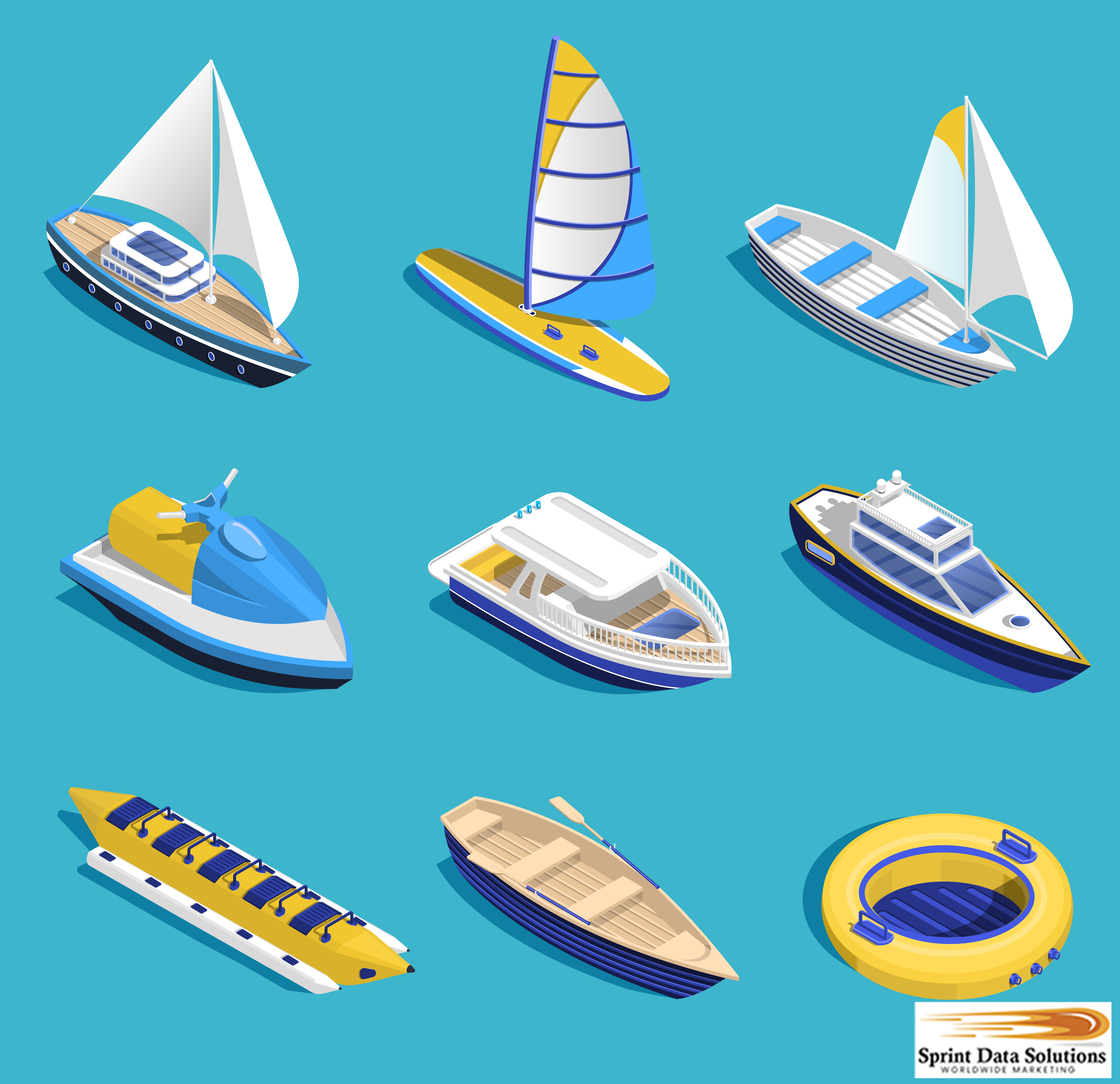
Boats are commonly categorized into three primary groups based on how they are powered. The first group consists of human-powered vessels, which depend solely on manual effort for movement and control. This category includes boats such as kayaks, canoes, rowboats, and dinghies, all of which are propelled using paddles or oars. The second category is motor-powered boats, which rely on engines to operate. These range from small fishing boats and personal watercraft to larger vessels like cruisers and yachts. Motorized boats may use gasoline or diesel engines, and increasingly, electric motors as well, reflecting a growing interest in environmentally sustainable boating solutions.The third category includes wind-powered boats, primarily sailboats, which use sails to capture wind energy and move across the water. Some modern vessels incorporate multiple propulsion options, such as motor-sailboats that can alternate between engine power and wind propulsion depending on conditions, providing greater flexibility and efficiency.Beyond propulsion, boats can also be broadly classified by their function, design, and size. These classifications include recreational boats, commercial vessels, military ships, and specialized craft used for research, emergency response, or rescue missions. Understanding these distinctions helps individuals and organizations select the most appropriate type of boat for their intended use, operating environment, and performance requirements.

Category A: Ocean Class Boats

Ocean-class vessels are known for their exceptional strength, reliability, and advanced construction, specifically engineered to withstand the harsh realities of open-sea travel. These boats are built to perform safely in powerful winds, heavy swells, and variable weather conditions, delivering stability and confidence far from coastal waters. Designed for extended offshore journeys, they typically feature reinforced hulls, sophisticated navigation and communication technology, and fully equipped living spaces that include sleeping areas, galley kitchens, and substantial storage for supplies.Because of their self-sufficiency and endurance, ocean-class boats are ideal for long-distance cruising and exploration without the need for frequent port stops. Owners of these vessels are often seasoned mariners with a strong sense of adventure, significant boating expertise, and the financial resources required to maintain and operate complex marine systems. This combination allows them to confidently undertake extended voyages and fully embrace life on the open ocean.

Category B: Offshore Class Boats

Offshore-class boats are designed to perform reliably in the challenging conditions encountered a short distance from land, making them well-suited for coastal and nearshore excursions. These vessels are built to manage strong winds, rough waves, and moderate weather events, though they are not intended for extended travel across open oceans. Their robust construction typically features reinforced hulls and powerful engines, allowing for stable handling and dependable performance in turbulent waters.Ideal for activities such as offshore fishing, watersports, and coastal day trips, offshore boats offer a balanced mix of strength, flexibility, and speed. Owners appreciate these vessels for their ability to deliver comfort and safety while supporting a wide range of recreational pursuits. Whether used by fishing enthusiasts or leisure boaters, offshore-class boats provide a dependable and versatile option for exploring coastal waters with confidence.

Category C: Inshore Class Boats

Inshore-class boats are specifically designed for use on calm waterways such as lakes, rivers, sheltered bays, and protected coastal areas. These vessels are built to operate safely in mild weather conditions, handling light to moderate winds and smaller wave activity with ease. Their balance of stability, agility, and user-friendly design makes them a popular choice among boaters of varying experience levels.Inshore boats are commonly used for relaxed cruising, fishing in freshwater or coastal shallows, and a variety of water sports. Families and recreational boaters appreciate the comfort and safety these boats provide, while their simple handling allows both beginners and experienced operators to feel at ease on the water. Additionally, their relatively compact size compared to offshore boats makes them easier to tow, store, and maintain. This practicality adds to their appeal, offering a convenient and versatile option for those seeking enjoyable and low-maintenance boating experiences.

Category D: Coastal Water, Inland, and Sheltered Waters Class Boats

Category D boats are designed for use in calm, protected environments such as rivers, small inland lakes, and sheltered coastal areas. These vessels are built to operate safely in light winds and minimal wave conditions, making them an excellent choice for beginners and first-time boaters. Common examples include canoes, kayaks, and small rowing boats, all of which are lightweight, easy to maneuver, and require little technical experience to operate.Because of their straightforward design and ease of use, Category D boats are popular among outdoor recreation enthusiasts who enjoy quiet, low-impact activities on the water. Owners typically prioritize safety, basic seamanship, and gradually developing their boating knowledge, including handling and simple upkeep. 

Types Of Boats

Our boat owners contact database features a diverse and comprehensive group of boating enthusiasts representing virtually every type of vessel. The list includes owners of sailboats, speedboats, fishing vessels, luxury yachts, pontoons, and many other watercraft, ensuring broad coverage across the boating market. It serves both recreational boaters and industry professionals, ranging from individuals with small personal boats to operators of large commercial vessels.Each entry includes reliable, up-to-date contact details, making it easy to engage with boat owners for a variety of purposes. Whether your goal is networking, sharing expertise, offering products or services, exchanging boating knowledge, or pursuing business partnerships, this extensive database provides a valuable resource for meaningful connections within the boating community.

Tap Into The Growing Market Of Boat Owners

Sprint Data Solutions Worldwide Marketing, proudly founded in Las Vegas by a Service-Disabled Veteran, has grown into a respected authority in the development and delivery of high-quality specialty marketing lists. Through years of careful expansion and refinement, we have assembled one of the industry’s most robust and wide-ranging databases, offering precision-driven data solutions designed to elevate the performance of your marketing efforts. Our expertly curated lists support a variety of outreach methods, including email marketing, direct mail, telemarketing, and digital advertising campaigns.

Each database is enriched with detailed consumer information, combining essential demographic attributes—such as age, gender, and geographic location—with deeper psychographic insights that reveal interests, values, and lifestyle tendencies. We also incorporate behavioral data that highlights purchasing habits and engagement patterns. This comprehensive approach allows businesses to create highly targeted, personalized messaging that speaks directly to the needs and motivations of their audience. 

At Sprint Data Solutions Worldwide Marketing, data accuracy and integrity are central to our operations. We follow rigorous validation standards and employ trusted industry verification tools, including the National Change of Address (NCOA) system and the Certified Address Accuracy System (CAAS), to ensure that every record we provide is up to date, dependable, and ready for immediate use. Our databases are continuously refreshed through advanced auditing, cross-checking, and data enhancement processes, giving you confidence that your campaigns reach legitimate, active prospects.This strong focus on data quality empowers businesses with precise, actionable insights that support advanced segmentation and highly targeted outreach. With cleaner, more reliable data, marketers can craft personalized messaging, increase engagement, and significantly improve return on investment. Whether you’re focused on customer acquisition, revenue growth, or strengthening brand relationships, Sprint Data Solutions Worldwide Marketing delivers the trusted data infrastructure needed to run effective, measurable, and performance-driven marketing campaigns.

Access The Right Boat Owners For Your Marketing Efforts

At Sprint Data Solutions Worldwide Marketing, we specialize in delivering highly detailed, expertly curated data that empowers businesses to reach their ideal audiences with precision and confidence. Every individual record within our database is carefully verified and enriched, giving you the ability to filter, segment, and target boat owners who are most likely to engage with your products or services. Rather than relying on generic outreach, our data allows you to connect with qualified prospects whose interests, behaviors, and lifestyles align with your marketing objectives.

Our boat owner data goes far beyond basic contact information. In addition to accurate names, mailing addresses, phone numbers, and email contacts, our records include valuable demographic details such as age, location, income range, and household composition. We also incorporate psychographic and behavioral insights that reveal lifestyle preferences, recreational interests, and purchasing tendencies. This depth of information provides a clearer understanding of your audience, enabling you to design campaigns that reflect current market trends and resonate with real consumer demand.By leveraging this intelligence, businesses can create messaging that feels timely, relevant, and personalized. Whether you are promoting marine equipment, insurance services, travel and hospitality offerings, storage solutions, or recreational products, our data helps ensure your outreach reaches boat owners who are actively interested and more inclined to respond. This targeted approach reduces wasted spend, improves campaign efficiency, and significantly enhances overall marketing performance.

Partnering with Sprint Data Solutions Worldwide Marketing means gaining more than access to a database—you gain a strategic partner dedicated to maximizing your return on investment. Our experienced team works closely with you to help interpret and apply the data effectively, offering expert guidance on audience selection, segmentation strategies, and campaign execution. We assist clients in optimizing outreach across multiple marketing channels, including email marketing, direct mail, telemarketing, and integrated multichannel campaigns.

We understand that successful marketing depends not only on quality data, but also on how that data is used. That’s why we provide ongoing support to help you refine your strategy, test messaging, and adjust targeting as needed to improve engagement and conversions. Our approach ensures your campaigns remain flexible, data-driven, and results-focused.With Sprint Data Solutions Worldwide Marketing, you can confidently deliver targeted messaging that speaks directly to your ideal audience. By combining reliable data, actionable insights, and expert support, we help you increase response rates, strengthen customer relationships, and drive measurable business growth. Whether your goal is lead generation, brand awareness, or long-term customer acquisition, our solutions provide the foundation for smarter marketing and sustained success.