Home » Recreational Vehicle Owners Mailing Lists
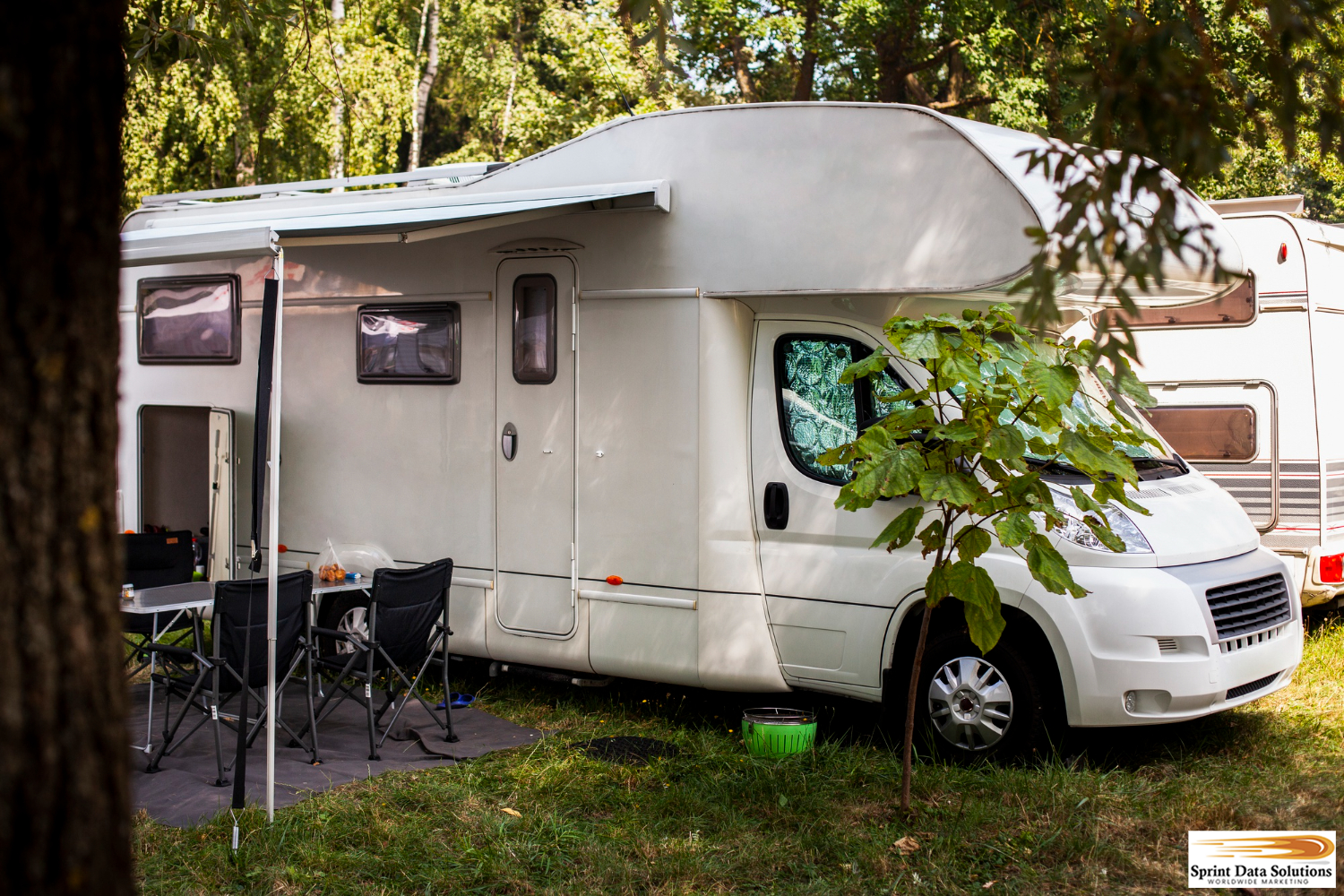
There are two primary types of Recreational Vehicle (RV) owners, each with distinct lifestyles and needs. The first group consists of individuals who enjoy the freedom to explore and travel on their own terms. These RV owners cherish the ability to create their own itinerary, bringing the comforts of home, including their pets, along for the journey. They often seek out state and national parks, along with less-traveled destinations, as they enjoy the adventure of discovery and the flexibility that RV ownership provides. The second group is made up of full-time RV dwellers. For some, RVs provide affordable housing in desirable locations, allowing them to live out their dream lifestyle. Others love the ability to travel to new places, changing their surroundings with the seasons.
Both types of RV owners represent a valuable market for businesses offering products, services, and experiences that enhance their RV lifestyle. From outdoor gear to home essentials, RV owners have a wide array of needs. Whether they are adventurers or full-time dwellers, reaching out to them with the right marketing message is key. Our comprehensive RV owners list provides the essential contact information to connect with this dynamic audience and grow your business.RVs are rapidly gaining popularity across the United States, with 11.2 million households currently owning an RV and 9.6 million expressing a strong interest in purchasing one within the next five years. Between 2001 and 2021, RV ownership increased by over 62%, reflecting a significant shift in American travel and living habits. In 2021, the RV industry was valued at $33.95 billion, with projections estimating it will reach $59.16 billion by 2027, growing at a compound annual growth rate (CAGR) of 9.7%. This surge in demand is largely driven by the growing appeal of outdoor activities such as camping, which has become a more mainstream pastime. Millennials are particularly drawn to RVs, with trends like van life and off-grid living gaining momentum through social media. Moreover, RVs are increasingly seen as a viable, affordable housing alternative, offering flexibility and freedom in the face of rising housing costs. Advancements in technology, including solar power, satellite communications, and the rise of remote work, are also fueling interest, making RVs more practical and sustainable for modern living. As these trends continue to evolve, the RV market is poised for even greater expansion.
RVs are rapidly gaining popularity across the United States, with 11.2 million households currently owning an RV and 9.6 million expressing a strong interest in purchasing one within the next five years. Between 2001 and 2021, RV ownership increased by over 62%, reflecting a significant shift in American travel and living habits. In 2021, the RV industry was valued at $33.95 billion, with projections estimating it will reach $59.16 billion by 2027, growing at a compound annual growth rate (CAGR) of 9.7%. This surge in demand is largely driven by the growing appeal of outdoor activities such as camping, which has become a more mainstream pastime. Millennials are particularly drawn to RVs, with trends like van life and off-grid living gaining momentum through social media. Moreover, RVs are increasingly seen as a viable, affordable housing alternative, offering flexibility and freedom in the face of rising housing costs. Advancements in technology, including solar power, satellite communications, and the rise of remote work, are also fueling interest, making RVs more practical and sustainable for modern living. As these trends continue to evolve, the RV market is poised for even greater expansion.
The majority of RV owners are aged 55 or older, with 34% falling within the 18 to 54 age range. A large portion of RV owners are retired, as only 30% maintain full-time employment. However, there is a notable shift occurring as younger generations, particularly Millennials and Gen Z, rapidly emerge as the fastest-growing segment of new RV owners. Currently, 22% of RVs are owned by adults aged 18 to 34, reflecting this trend. Interestingly, 77% of RV owners live in households without children, highlighting a preference for the flexibility and freedom that RVs offer to a broad range of lifestyles. RV ownership is relatively balanced by gender, with 59% of owners being female and 40% male. Financially, RV ownership tends to align with a comfortable lifestyle, as 54% of owners report a household income above $65,000, reflecting a strong purchasing power within this market.
Geographically, states like Indiana, California, and Texas lead in the number of RV owners, while specific states such as Alaska, Delaware, Montana, New Hampshire, and Oregon have become popular for RV purchases due to their tax-free status. On average, RV owners use their vehicles for approximately 20 days annually. Within this group, 39% are classified as casual campers, while 33% identify as family campers. A small but significant portion, about 1.5%, live in their RVs full-time, with 70% of these full-time RV residents being women. This demographic shift is reshaping the RV industry, with a notable increase in ownership among younger generations and women, influencing product design, marketing strategies, and the overall RV market trajectory.
All U.S. states mandate a minimum level of liability insurance for vehicle owners, with most RV owners opting for policies that include property damage (PD) and bodily injury (BI) coverage. For those who live in their RVs full-time, comprehensive (comp) and collision (coll) coverage are highly recommended. This combination, known as “full coverage insurance,” offers extensive protection, ensuring peace of mind in various scenarios, from accidents to natural disasters. Additionally, many RV owners choose valuable add-ons, such as uninsured/underinsured motorist (UM/UIM) coverage, which provides protection in case of an accident with a driver who lacks sufficient insurance, as well as medical payments (med pay) to cover healthcare expenses resulting from a collision.
Beyond standard insurance coverage, many RV owners choose additional policy options to strengthen their overall protection. One of the most common add-ons is uninsured or underinsured motorist coverage (UM/UIM), which offers financial protection if an accident occurs with a driver who does not carry adequate insurance. Medical payments coverage, often referred to as “med pay,” is also a popular choice, as it helps cover medical costs for the policyholder and passengers regardless of who is at fault.Roadside assistance is another highly valued option for RV owners, providing help with unexpected issues such as flat tires, dead batteries, or mechanical breakdowns while traveling. In addition, specialized coverages like vacation liability protection are especially beneficial for frequent travelers, offering coverage for accidents that may happen while the RV is parked at campgrounds or temporary locations.
Personal effects coverage is also an important enhancement, protecting personal belongings stored inside the RV and offering compensation in the event of theft or damage. Towing coverage further adds peace of mind, ensuring the RV can be transported to a repair facility or safe location if needed. By exploring and selecting the right combination of coverage options, RV owners can tailor their insurance policies to match their travel habits and lifestyle. This well-rounded approach not only protects their investment but also allows them to travel with greater confidence and peace of mind.
RV owners have a deep passion for travel, with a particular affinity for exploring the natural wonders found in national parks, state parks, and national forests. They relish the opportunity to immerse themselves in scenic landscapes and enjoy outdoor activities. Additionally, RV owners appreciate a variety of accommodations, ranging from private RV parks to public camping sites, which offer them the flexibility to travel comfortably. Many RV enthusiasts also enjoy venturing into different towns, seeking out unique roadside attractions that add an element of adventure to their journeys. This interest in exploration presents significant opportunities for tourism companies, which can tailor their offerings to meet the needs of RV travelers. Since RV owners already have their transportation and accommodations sorted, they are more likely to seek out activities and attractions to enhance their travel experience. Adventure tour companies can particularly benefit from this demographic, especially those catering to toy hauler owners who often travel with recreational vehicles, such as dirt bikes, ATVs, or other toys. These adventure-focused RVers are eager for experiences that allow them to engage in outdoor sports and activities during their travels.
RV trailer owners require powerful vehicles capable of towing their trailers, and this often means relying on larger trucks with significant towing capacities. Heavy-duty trucks are the most common choice due to their robust engines and durability, making them ideal for hauling trailers over various terrains. Additionally, SUVs and Jeeps are increasingly popular among RV enthusiasts, especially those who enjoy off-road adventures. These vehicles not only provide the necessary towing power but also offer versatility for outdoor excursions. To ensure safe and effective towing, vehicles must be equipped with appropriate hitches designed to handle the weight of the trailer. This includes selecting the right hitch type and ensuring proper installation to comply with safety standards. As a result, auto dealerships that specialize in tow-capable vehicles can greatly benefit from targeting the RV trailer owner market.
By promoting their inventory of trucks and SUVs with high towing capacities, dealerships can attract RV owners looking for reliable towing solutions. Furthermore, offering additional services such as hitch installation, towing accessories, and maintenance can enhance the customer experience and drive sales. As RV ownership continues to grow, the demand for compatible towing vehicles will likely increase. By leveraging marketing strategies aimed at RV trailer owners, auto dealerships can position themselves as go-to resources for those seeking the perfect towing vehicle, ultimately leading to increased sales and customer loyalty. Understanding the specific needs of RV owners and providing tailored solutions will be key in capitalizing on this expanding market segment.
While traveling, RV owners rely heavily on navigation tools to guide them on their journeys, with GPS being a central resource. The most commonly used navigation systems include in-dash navigation systems integrated into their vehicles and smartphones equipped with mapping apps. These tools provide essential information such as directions, traffic updates, and points of interest, allowing RV owners to navigate with confidence on well-traveled roads. However, for those adventurous RV owners who prefer to explore off the beaten path, traditional navigation methods may not always suffice. In such cases, satellite technology becomes an invaluable asset. Satellite navigation systems can operate independently of cellular service.
Additionally, many RV owners enhance their navigation experience by utilizing multiple tools in tandem. Some may combine satellite navigation with offline map apps to ensure they have access to comprehensive route information even in areas with limited connectivity. The ability to download maps and access them without a data signal is particularly beneficial for those embarking on longer journeys through rural or mountainous regions. As the RV market continues to grow, businesses that offer navigation solutions, whether through technology or accessories, can tap into this expanding audience. By providing products designed specifically for RV owners—such as rugged GPS devices, satellite communicators, or even mobile apps tailored for RV travel—companies can address the unique challenges that come with navigating diverse terrains. This focus on innovative navigation solutions not only enhances the travel experience for RV owners but also positions businesses to thrive in a competitive market.
Off-grid technology is increasingly sought after among RV owners, particularly among Millennials and those who own Class B campervans, who appreciate the flexibility and sustainability that these innovations provide. Key components of off-grid living include water filters, solar panels, and signal antennas, which enhance the self-sufficiency of RV travelers and allow them to enjoy their adventures away from traditional power and water sources. Solar panels, in particular, have become a popular choice for RV owners looking to harness renewable energy. By installing solar systems, they can power essential appliances, charge devices, and maintain their comfort while minimizing their environmental footprint. Signal antennas are also highly valued, especially for those who want to stay connected while camping in remote locations. These antennas ensure reliable internet access and communication, allowing RV owners to work remotely or keep in touch with family and friends.
Drivers of toy haulers, which are designed for transporting recreational vehicles like motorcycles and ATVs, also benefit from off-grid technology. They appreciate the ability to maintain amenities such as refrigerators and heating systems while at base camp, enabling them to enjoy extended stays in nature without sacrificing comfort. In addition to these technologies, RV owners are increasingly exploring eco-friendly alternatives to standard household amenities. Composting toilets, for example, provide a sustainable solution for waste management while reducing the need for water and traditional sewage systems. Gray water systems, which recycle wastewater from sinks and showers, are another popular option that helps RVers minimize their environmental impact. As the demand for off-grid living continues to grow, businesses that offer innovative technologies and eco-friendly solutions are well-positioned to cater to this expanding market. By providing RV owners with the tools and resources they need to enhance their off-grid experiences, companies can tap into a community that values sustainability, adventure, and self-reliance. This focus not only meets the evolving needs of RV enthusiasts but also contributes to a greener future for outdoor recreation.
RV owners who live full-time in their vehicles increasingly require reliable access to the internet, especially as the number of remote workers residing in campervans continues to rise. For these individuals, staying connected is essential for both work and leisure. As a result, satellite internet and television services have gained significant popularity among this demographic, providing a dependable means of accessing online resources regardless of location. In addition to satellite options, RV owners often invest in signal-boosting antennas and cellular internet equipment to enhance connectivity. These devices are crucial for remote workers who need to maintain a stable internet connection while on the move. By amplifying signals from nearby cellular towers, signal-boosting antennas enable RVers to access data even in areas with weak reception. Additionally, mobile hot spots offer flexibility for RV owners to connect multiple devices to the internet, ensuring that they can work efficiently and stay connected with colleagues, clients, and loved ones.
RV owners have a deep passion for exploring the great outdoors, often investing in a variety of outdoor vehicles and equipment to enhance their adventures. Many RV enthusiasts purchase mountain bikes, dirt bikes, enduro motorcycles, and quads to tackle rugged terrains and enjoy exhilarating rides in nature. Additionally, watercraft such as kayaks, canoes, and jet skis are popular among those who love to engage in water sports or serene paddling experiences on lakes and rivers.
RV owners have a deep passion for exploring the great outdoors, often investing in a variety of outdoor vehicles and equipment to enhance their adventures. Many RV enthusiasts purchase mountain bikes, dirt bikes, enduro motorcycles, and quads to tackle rugged terrains and enjoy exhilarating rides in nature. Additionally, watercraft such as kayaks, canoes, and jet skis are popular among those who love to engage in water sports or serene paddling experiences on lakes and rivers.RV owners have a deep passion for exploring the great outdoors, often investing in a variety of outdoor vehicles and equipment to enhance their adventures. Many RV enthusiasts purchase mountain bikes, dirt bikes, enduro motorcycles, and quads to tackle rugged terrains and enjoy exhilarating rides in nature. Additionally, watercraft such as kayaks, canoes, and jet skis are popular among those who love to engage in water sports or serene paddling experiences on lakes and rivers.
To support their outdoor lifestyle, RV owners also rely heavily on durable camping equipment. This includes cookware designed for easy preparation and clean-up, versatile lighting solutions for evening activities, and essential camp tools that facilitate various tasks in the great outdoors. Items like tents, awnings, and camping furniture are frequently added to their gear, allowing them to create comfortable living spaces and maximize their enjoyment while camping. Apparel specifically designed for outdoor living is another significant aspect of RV culture. Many RV owners opt for hiking boots that provide support and durability, base layers that offer comfort in changing weather conditions, and cargo pants that feature multiple pockets for convenience during outdoor activities.
Additionally, fishing and hunting gear is also commonly purchased by RV enthusiasts, as these hobbies complement their love for nature and adventure. By equipping themselves with the right tools and apparel, RV owners are able to fully immerse themselves in their outdoor pursuits, whether it’s hiking through scenic trails, fishing in tranquil waters, or enjoying a weekend camping trip.
Both motorhome and trailer RV owners commonly carry a variety of tools to address routine maintenance and unexpected repairs while on the road. Many RV enthusiasts prefer to perform these tasks themselves, ensuring their vehicles remain in optimal condition during their travels. To facilitate this, they typically pack emergency tool kits that include essential items such as tire inflators, battery chargers, and sensors for monitoring vehicle systems. In addition to these specialized tools, RV owners also invest in standard mechanical tools to tackle various maintenance tasks. Commonly used tools include wrenches, socket sets, and screwdrivers, which are essential for performing repairs on different components of their RVs. Having these tools readily available allows owners to handle minor issues promptly, minimizing downtime during their trips.
Safety is another crucial consideration for RV travelers, prompting many to keep well-stocked emergency kits on board. These kits often contain fire extinguishers, first aid kits, and flare guns, providing peace of mind in case of emergencies. Fire extinguishers are vital for preventing and controlling fires that may arise from cooking or electrical issues, while first aid kits are essential for addressing minor injuries that may occur during outdoor activities or travel. Flare guns serve as a safety signal in case of breakdowns or roadside emergencies, ensuring that RV owners can alert others for assistance. Moreover, RV owners are increasingly opting for multi-tools and portable tool sets that combine various functions into one compact device, saving space and enhancing convenience. These tools can be particularly useful for quick fixes and adjustments without the need for a full toolbox.
RV owners often face the challenge of limited space within their vehicles, prompting them to seek innovative ways to maximize their amenities without sacrificing comfort. For those who live full-time in their RVs, compact kitchen appliances are particularly popular. Items such as instant pots, air fryers, and microwaves are favored because they can effectively replace larger, standard kitchen appliances while providing the functionality needed to prepare a variety of meals. These versatile appliances not only save space but also enhance the cooking experience, allowing full-time RVers to enjoy home-cooked meals on the road. The convenience of such gadgets makes meal preparation more efficient, helping to create a sense of normalcy in their mobile lifestyles.
On the other hand, RV owners who primarily use their vehicles for recreational trips also invest in small kitchen appliances that add a touch of fun to their outdoor experiences. Popular purchases among this group include ice makers, margarita machines, and ice cream makers, which are perfect for entertaining guests or enjoying treats during camping outings. These appliances contribute to a festive atmosphere and elevate the overall enjoyment of their adventures. Moreover, space-saving solutions like collapsible kitchenware and multi-functional appliances are also sought after by RV owners looking to optimize their limited storage. By incorporating practical and compact items into their RVs, owners can enhance their living conditions while ensuring that every inch of space is utilized effectively. In summary, RV owners are adept at finding ways to enhance their living experience within the constraints of limited space. By selecting compact and multifunctional appliances, they can enjoy the comforts of home, whether living full-time or indulging in recreational getaways, creating a more enjoyable and functional environment on the road.
RV owners who do not live in their vehicles full-time often require reliable storage solutions for their RVs when not in use. This presents a significant opportunity for self-storage facilities that offer both indoor and outdoor storage options. Indoor storage is particularly desirable for those looking to protect their RVs from harsh weather conditions, while outdoor storage can provide a more accessible and cost-effective solution. In addition to storage facilities, RV owners also invest in protective accessories to ensure their vehicles remain in top condition while stored. Storage covers are essential for shielding RVs from dust, UV rays, and moisture, preventing damage to the exterior and interior over time. Similarly, jacks are important for stabilizing the RV during storage, helping to prevent flat spots on tires and ensuring the vehicle remains level.
Security is another crucial consideration for RV owners when storing their vehicles. Many opt for advanced security systems that can be integrated into their RVs, providing peace of mind while their vehicle is in storage. Features like alarms, GPS tracking, and surveillance cameras are increasingly popular, as they enhance the security of the RV and deter theft or vandalism. Overall, the need for storage solutions and protective accessories creates a robust market for self-storage facilities and related businesses. By offering tailored services that cater to the specific needs of RV owners, companies can position themselves as valuable resources in this growing segment. This approach not only benefits RV owners by providing them with secure and convenient storage options but also helps businesses tap into a lucrative and expanding market.
There are two primary categories of RVs: drivable RVs, commonly known as motorhomes, and towable RVs. Drivable RVs are fully integrated vehicles that can be driven directly from one location to another, offering convenience and ease of travel. These motorhomes come in various sizes and layouts, catering to different preferences and lifestyles. On the other hand, towable RVs require a separate vehicle to tow them to their destination. This category includes travel trailers, fifth-wheel campers, and pop-up campers, which are often more affordable options for RV enthusiasts. Despite being generally less expensive to purchase and maintain than motorhomes, the prices of towable RVs can vary significantly based on features such as size, amenities, and build quality.
The choice between drivable and towable RVs often comes down to individual preferences and lifestyle needs. Motorhome owners enjoy the convenience of having all their living space in one vehicle, which eliminates the need to set up a separate trailer at campsites. Conversely, those who opt for towable RVs appreciate the flexibility of using their tow vehicle independently for day trips or exploring nearby areas without the need to relocate their entire living space.Regardless of the type, RV ownership offers a unique opportunity to explore the outdoors and enjoy a mobile lifestyle. Understanding the distinctions between these categories can help potential buyers make informed decisions that align with their travel goals and budget. Whether seeking the ease of a motorhome or the versatility of a towable RV, enthusiasts can find a model that suits their adventures perfectly. Some RVs are high-end luxury features, while others offer simple comforts/
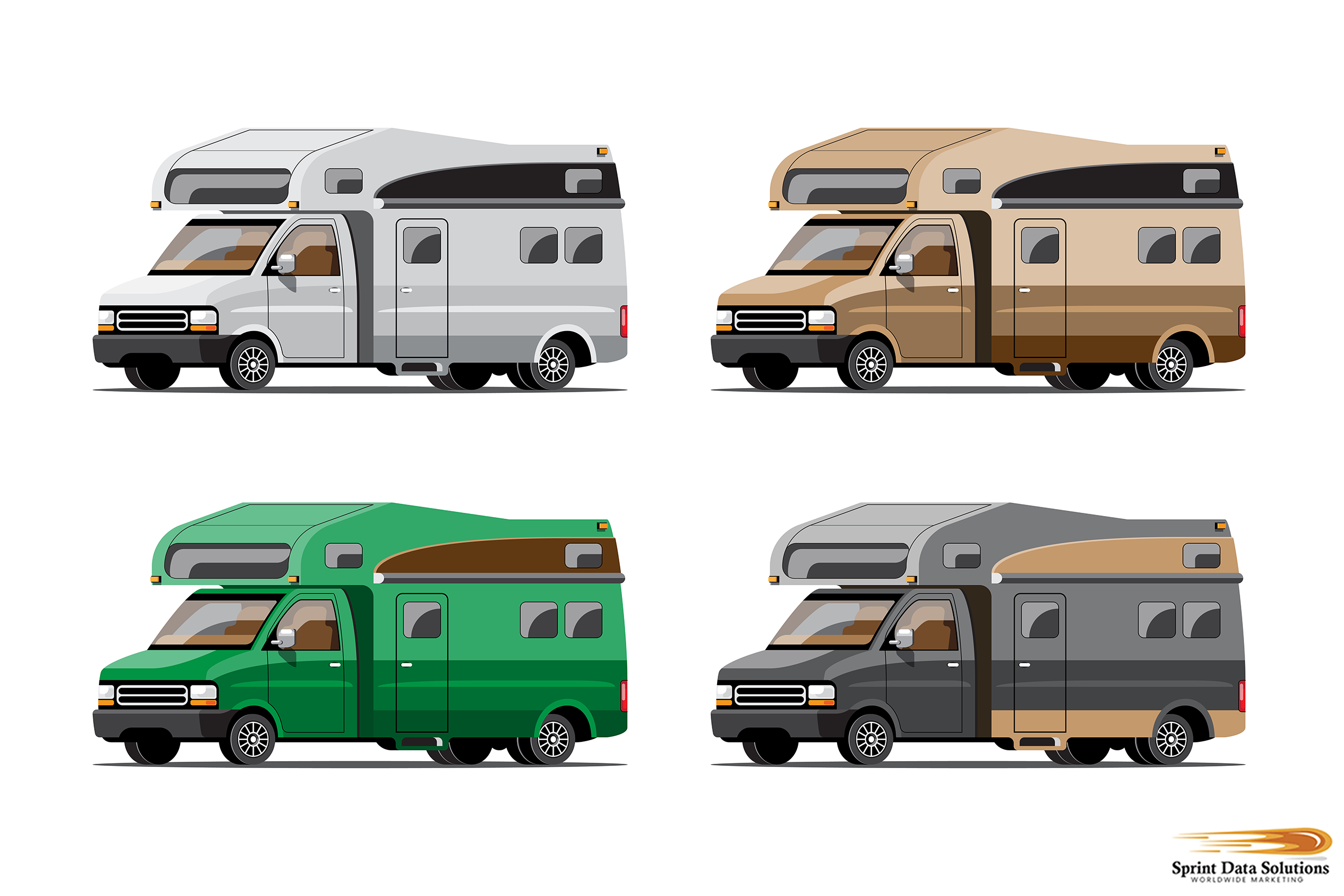
Within the two primary categories of RVs—drivable and towable—there exists a diverse array of types, each offering a unique set of features and functions. This variety caters to the differing needs and preferences of RV owners, allowing them to choose models that best suit their lifestyles. Some RVs are specifically designed for full-time living, equipped with spacious interiors, multiple amenities, and residential-style features such as full kitchens, bathrooms, and comfortable sleeping arrangements. These models often prioritize comfort and livability, making them ideal for individuals or families who plan to spend extended periods on the road.
On the other hand, there are RVs designed primarily for camping and short trips. These models tend to be more compact and lightweight, focusing on ease of use and mobility. They often come with essential features for a weekend getaway, such as basic cooking facilities, sleeping areas, and outdoor amenities like awnings or storage for camping gear. The extensive range of options within each category means that RV buyers can find models tailored to their specific needs, whether they’re looking for a full-time residence or a weekend retreat. By understanding the different types of RVs available, potential owners can make informed choices that align with their travel goals and lifestyle preferences, enhancing their overall RV experience.
Teardrop trailers share similarities with pop-up trailers in that they are designed for easy transport while providing a more comfortable camping experience. Named for their distinctive teardrop shape, these compact campers are streamlined and efficient, making them a popular choice among outdoor enthusiasts. Teardrop campers typically focus on functionality, offering minimal yet essential features that enhance the camping experience. While they may not be as spacious as larger RVs, many models include well-equipped kitchens and cozy sleeping areas, making them suitable for weekend getaways or extended trips. Some teardrop trailers even come with compact bathrooms, allowing for greater convenience while on the road.
One of the standout advantages of teardrop trailers is their lightweight design, which makes them compatible with a wide range of tow-capable vehicles. This means that many drivers can easily haul a teardrop trailer without the need for a heavy-duty truck or SUV, making them an accessible option for various adventurers. Despite their smaller size, teardrop trailers are crafted to optimize space efficiently, providing campers with a comfortable and enjoyable place to rest after a day of outdoor activities. Their functional design and ease of use make them an appealing choice for those looking to explore the great outdoors while enjoying the comforts of a cozy camping setup. As more people seek affordable and practical ways to connect with nature, teardrop trailers continue to gain popularity among camping enthusiasts.
Toy haulers are specifically designed for adventure enthusiasts who thrive on outdoor activities. These versatile RVs feature a spacious garage area that can accommodate a variety of outdoor toys, including dirt bikes, 4x4s, jet skis, and even ATVs. Available in multiple configurations, toy haulers can be found as travel trailers, fifth wheels, and even some motorhomes, making them a flexible option for different types of travelers. In addition to their impressive garage space, toy haulers are equipped with comfortable living quarters that provide a cozy retreat after a day of exploration. These living areas often include features such as kitchens, bathrooms, and sleeping spaces that can comfortably accommodate a group or family, making them perfect for group outings or extended trips. Many models are designed with efficient layouts that maximize space, ensuring that all necessary amenities are easily accessible.
Some toy haulers also come with innovative features like built-in decks that slide out, offering a fantastic outdoor space to relax and enjoy the scenery after a day of adventure. This design allows users to create a seamless connection between their indoor living space and the great outdoors, enhancing the overall camping experience. Toy haulers serve as an excellent base camp for various outdoor activities, including hunting, off-roading, and water sports. Their unique combination of storage for recreational gear and comfortable living accommodations makes them a favored choice among outdoor sports enthusiasts. As more people seek ways to combine their passion for adventure with the comforts of home, toy haulers continue to gain popularity, providing the perfect solution for those looking to embark on unforgettable outdoor escapades.
Founded in by a service-disabled veteran, Sprint Data Solutions Worldwide Marketing offers unparalleled access to growing consumer markets. Our extensive experience and dedication have allowed us to build one of the largest consumer databases available. With a range of specialized lists, including segments like RV owners, we connect you directly with your ideal audience. Our databases go beyond the basics, providing detailed demographic, psychographic, and lifestyle insights to help you fully understand your target market and refine your messaging for personalized campaigns.
At Sprint Data Solutions Worldwide Marketing, quality is our priority. We follow rigorous data collection protocols to keep our information current, accurate, and reliable. Our lists are continuously updated and verified through systems like the National Change of Address (NCOA) and Certified Address Accuracy System (CAAS). In addition to external certification, we perform thorough internal screenings to further refine data, ensuring your campaigns reach the right prospects. With these comprehensive measures, we empower you to enhance customer engagement, boost response rates, and maximize the return on your marketing investments.